Power washing services can help homeowners clean outdoor surfaces such as driveways, patios, siding, decks, walkways, and other exterior areas. Before booking or buying cleaning equipment, homeowners should understand surface type, water pressure, cleaning method, safety risks, and what details to verify.
This guide explains how residential cleaning works, what surfaces need extra care, when pressure washing services may be useful, and what buyers should check before choosing products or support. You can also browse extreme power washing when comparing outdoor cleaning equipment, accessories, and helpful cleaning guides.
What Power Washing Services Usually Include
Power washing services may include driveway cleaning, patio cleaning, siding washing, deck cleaning, mold removal, and general home exterior cleaning. The exact service depends on the provider, surface material, equipment used, and cleaning solution.
If a company or product listing does not clearly explain pressure level, cleaning method, surface suitability, or included accessories, verify before buying or booking.
Power Washing Services for Common Home Areas
Homeowners often look for power washing services when outdoor areas start showing dirt, algae, mud, grease, stains, or weather buildup. The cleaning method should always match the surface.
Concrete may handle stronger cleaning than painted siding or wood. Soft surfaces need more caution because too much pressure can damage paint, wood fibers, seals, or joints.
Pressure Washing vs Exterior Cleaning Needs
Pressure washing services use water pressure to clean outdoor surfaces, but not every surface needs the same force. House siding, painted areas, and older materials may need a gentler method.
For delicate surfaces, ask whether soft washing, lower pressure, or special cleaning solutions are recommended. Always verify the best method before cleaning.
| Cleaning Area | Common Cleaning Need | Best Buyer Check | Safety Note |
| Driveway | Dirt, tire marks, stains | Surface type and cleaning pressure | Avoid loose stones and cracks |
| Siding | Dust, mildew, algae | Material, paint age, seal condition | Avoid forcing water under siding |
| Deck | Mold, grime, weather buildup | Wood type and pressure level | High pressure can damage wood |
| Patio | Mud, algae, outdoor residue | Paver, concrete, or stone type | Check joint sand and loose edges |
| Vehicle | Dirt and road film | Nozzle type and pressure setting | Avoid strong spray near seals |
Driveway Cleaning and Concrete Surfaces
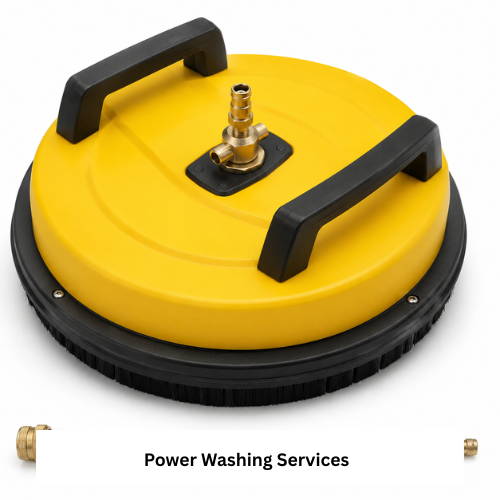
Driveway cleaning often needs the right pressure, nozzle, and surface cleaner attachment. Concrete can be strong, but cracked or damaged areas still need care.
Homeowners can read pressure washing tips for cleaning driveways before deciding whether to clean a driveway themselves or hire support.
A pressure washer surface cleaner example can also help buyers understand common driveway-cleaning attachment styles before choosing accessories.
House Washing and Siding Safety
House washing needs caution because siding, trim, windows, vents, and painted surfaces can be damaged by the wrong pressure. Do not spray directly into electrical outlets, gaps, vents, or window seals.
For siding buildup, review best soap for pressure washing siding guidance and verify whether a cleaner is suitable for your home exterior before using it.
Tools and Accessories Homeowners May Need
If you plan to handle basic cleaning yourself, accessories can matter. Common items include nozzles, spray guns, hoses, hose reels, surface cleaners, foam cannons, pressure gauges, and filters.
Before buying power washing accessories, check connector size, pressure rating, machine compatibility, and whether the item is meant for gas or electric pressure washers.
Setup and Safety Tips
Clear the cleaning area before starting. Move furniture, toys, planters, vehicles, and fragile items away from the spray path.
Wear closed-toe shoes, eye protection, and clothing that protects your skin. Never point a pressure washer at people, pets, electrical panels, windows, or damaged surfaces. Follow the manual for your exact machine.
Maintenance and Storage Advice
After cleaning, rinse accessories, drain hoses when needed, and store equipment dry. Check nozzles, seals, filters, and hose connections before the next use.
A hose reel for power washing kits can help reduce tangles and improve storage, but verify hose length, connector type, and pressure compatibility before buying.
Common Buying and Booking Mistakes
Do not hire a service or buy a machine only by price. A low price may not include the right surface preparation, cleaner, equipment, or safety steps.
Do not assume one pressure setting works for every surface. Wood, siding, concrete, brick, vehicles, and painted surfaces need different care.
Troubleshooting Cleaning Problems
If stains remain after cleaning, the surface may need a compatible cleaner, dwell time, or a different attachment. Do not keep increasing pressure without checking the surface risk.
If streaks appear on siding or concrete, check spray distance, nozzle angle, cleaning pattern, and whether the area was rinsed evenly. For serious mold, paint damage, or structural issues, get professional advice.
Practical Buying Checklist
- Identify the surface type before cleaning.
- Check whether the surface needs pressure washing or a gentler method.
- Verify machine compatibility with nozzles, hoses, and attachments.
- Check safety risks near windows, outlets, vents, and painted surfaces.
- Review cleaning solution suitability before use.
- Confirm equipment setup, hose length, and water supply.
- Check maintenance needs for filters, nozzles, pumps, and hoses.
- Review warranty, return policy, delivery, and support before buying equipment.
- Ask what is included before booking any cleaning service.
- Verify before buying if pressure rating, connector size, or surface suitability is unclear.
Conclusion
Power washing services can be useful for home exterior cleaning when the method matches the surface and safety needs. Homeowners should check surface condition, pressure level, tools, cleaning products, maintenance needs, and service details before cleaning or buying equipment.
FAQ
What are power washing services used for?
Power washing services are commonly used for driveways, patios, siding, decks, walkways, and other outdoor surfaces.
Are power washing and pressure washing the same?
They are similar, but power washing may involve heated water while pressure washing often uses high-pressure water without heat.
Can power washing damage siding?
Yes, too much pressure can damage siding, paint, seals, and gaps. Verify the correct method before cleaning.
What should homeowners check before booking service?
Check surface type, cleaning method, safety steps, included work, warranty, and whether the provider explains risks clearly.
What accessories help with outdoor cleaning?
Nozzles, hoses, surface cleaners, foam cannons, pressure gauges, filters, and hose reels may help when compatible.
