

Quick Answer
A Husky electric pressure washer is best for homeowners who want a practical cleaning machine for cars, patios, siding, outdoor furniture, walkways, and light residential cleanup. It is usually a better fit for easy home cleaning than heavy commercial work because electric models are simpler to start, quieter, and lower maintenance than gas pressure washers.
To compare similar models, browse the electric pressure washer options and the broader pressure washer category.
What Makes a Husky Electric Pressure Washer Useful?
A Husky electric pressure washer is designed for everyday residential cleaning. The main appeal is convenience. Users generally want a machine that starts quickly, stores easily, and handles common cleaning tasks without fuel, oil, or engine maintenance.
In most residential cleaning scenarios, electric pressure washers are preferred when the job requires controlled pressure rather than extreme force. This makes them useful around cars, vinyl siding, outdoor furniture, patio areas, and light driveway dirt. A balanced washer with good accessories can often be more practical than a stronger machine that is harder to use.
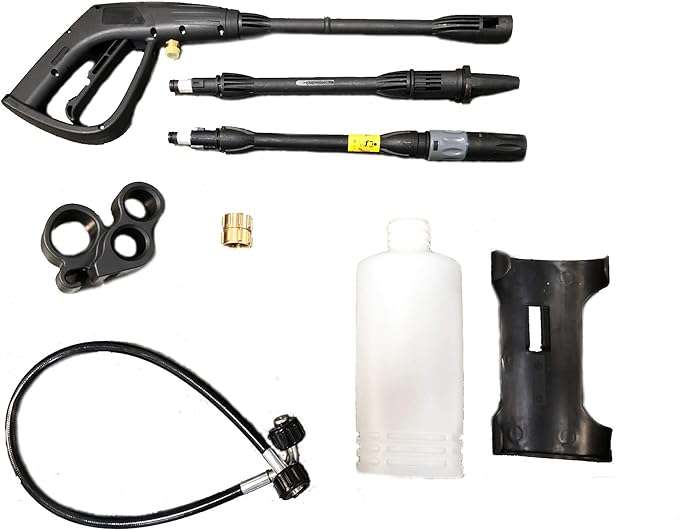
Husky Electric Pressure Washer Performance Factors
| Factor | What to Check | Why It Matters |
| PSI rating | Cleaning pressure level | Helps loosen dirt and grime |
| GPM flow | Water output per minute | Affects rinsing speed and cleaning efficiency |
| Nozzle options | Spray angle and cleaning control | Protects surfaces and improves results |
| Hose length | Reach around vehicles and patios | Reduces moving the washer repeatedly |
| Detergent support | Soap application feature | Useful for cars, siding, and outdoor grime |
| Storage design | Cord, hose, and wand storage | Improves everyday usability |
Best Uses for a Husky Power Washer
Professional cleaning logic suggests matching pressure to the surface. A Husky power washer can be useful for regular home maintenance when the correct nozzle and spray distance are used. The tool should clean the surface without forcing unnecessary pressure into paint, seals, wood grain, or siding gaps.
- Car washing and wheel rinsing with a gentle spray pattern
- Patio furniture, outdoor bins, and garden tools
- Vinyl siding when detergent and safe distance are used
- Small patios, walkways, and garage floor touch-ups
- Deck and fence cleaning when pressure is controlled carefully
- Seasonal cleanup around the home exterior
For better cleaning control, pair the washer with the right pressure washer nozzles, pressure washer hoses, and compatible pressure washer accessories.
Husky Electric Pressure Washer vs Gas Pressure Washer
| Factor | Husky Electric Pressure Washer | Gas Pressure Washer |
| Starting | Easy electric start | Manual start and fuel setup |
| Maintenance | Low maintenance | Needs oil, fuel, and engine care |
| Noise | Usually quieter | Usually louder |
| Cleaning power | Good for home tasks | Stronger for heavy stains |
| Storage | Simpler indoor/garage storage | Needs fuel-safe storage |
| Best use | Cars, siding, patios, outdoor furniture | Driveways, heavy grime, large jobs |
The better choice depends on cleaning intensity. If the goal is routine home cleaning, electric is often easier. If the goal is stripping heavy grime from large concrete areas, gas power may be more suitable.
Who Should Buy a Husky Electric Pressure Washer?
A Husky electric pressure washer is a strong fit for users who want low-maintenance cleaning equipment for home use. It is especially useful when the user values convenience, compact storage, and controlled cleaning over maximum pressure.
- Homeowners who wash cars, patios, siding, and outdoor furniture
- Users who prefer lower maintenance over gas engine care
- People with limited storage space
- Anyone who wants easier starting and quieter cleaning
- Buyers who need a practical residential pressure washer instead of commercial equipment
Who Should Avoid It?
A Husky electric pressure washer may not be the best choice if the main job is heavy driveway stain removal, large commercial cleaning, thick algae buildup, or long daily cleaning sessions. In those cases, a higher-powered gas washer or commercial pressure washer may be more effective.
For heavier cleaning needs, compare more products in the shop and review related power washer options before deciding.
Buying Tips Before Choosing a Husky Electric Pressure Washer
| Buying Point | What to Look For | Smart Buyer Reason |
| Surface type | Car, siding, patio, wood, or concrete | Prevents overbuying or underbuying |
| Cleaning frequency | Weekly, monthly, or seasonal use | Helps decide durability needs |
| Accessory support | Nozzles, hoses, foam cannon, wand | Improves cleaning flexibility |
| Storage space | Garage, shed, or small storage area | Compact design matters for home use |
| Detergent use | Built-in tank or foam attachment | Important for cars and siding |
| Reach | Cord and hose length | Reduces setup frustration |
Final Verdict
A Husky electric pressure washer is a practical choice for homeowners who need easy, controlled, low-maintenance cleaning. It is best for cars, patios, siding, outdoor furniture, small walkways, and regular home cleanup.
It is not the strongest choice for deep concrete restoration or commercial work, but that is not its main purpose. For everyday residential cleaning, the Husky electric pressure washer is a sensible option when paired with the right nozzles, hose setup, and detergent accessories.
FAQs
Yes, it can be good for home use because it is easier to start, lower maintenance, and practical for cars, patios, siding, and outdoor furniture.
Yes, it can be used for cars when the correct nozzle, safe distance, and proper detergent are used. Avoid using too much pressure close to paint or seals.
You can clean vehicles, patio furniture, siding, walkways, outdoor tools, garage floors, and light exterior dirt when the washer is used correctly.
Accessories are not always required, but nozzles, hoses, foam cannons, and extension wands can make cleaning easier and more controlled.
Electric is often better for routine home cleaning because it is quieter, easier to store, and lower maintenance. Gas is better for heavier cleaning power.
It can clean light dirt and surface buildup, but heavy oil stains or deep concrete grime usually need stronger pressure, pretreatment, or a surface cleaner.
