

Quick Answer
A battery powered pressure washer is best for portable cleaning, car rinsing, balcony cleanup, patio touch-ups, camping gear, outdoor furniture, and light home maintenance. It is not the strongest choice for deep concrete stains or heavy commercial cleaning, but it is highly useful when portability, cordless setup, and quick cleaning matter most.
For related portable options, compare the electric power washer range and the main pressure washer category before choosing a cordless model.
What Is a Battery Powered Pressure Washer?
A battery powered pressure washer is a cordless cleaning tool that uses a rechargeable battery instead of a wall outlet or gas engine. Most models pull water from a bucket, portable tank, or garden hose, which makes them useful for places where a power outlet or direct faucet is not available.
In most residential cleaning scenarios, battery powered units are designed for convenience rather than maximum force. Their strongest value is fast setup, light weight, easy movement, and the ability to clean in areas where a traditional pressure washer is inconvenient.
Battery Powered vs Cordless vs Electric Pressure Washer
| Washer Type | Power Source | Best For | Main Limitation |
| Battery powered pressure washer | Rechargeable battery | Portable cleaning, cars, balconies, outdoor gear | Lower cleaning force than gas or corded units |
| Cordless pressure washer | Battery with portable water source | Quick cleanup away from outlets | Battery runtime and water supply limits |
| Corded electric pressure washer | Wall outlet | Home cleaning, patios, siding, cars | Needs outlet access and cord management |
| Gas pressure washer | Gas engine | Driveways, heavy grime, longer sessions | More noise, fuel, maintenance, and storage needs |
Professional cleaning preference suggests choosing the lightest tool that can safely complete the job. For car rinsing or patio furniture, a cordless washer can be practical. For concrete restoration, gas or stronger corded equipment is usually more effective.
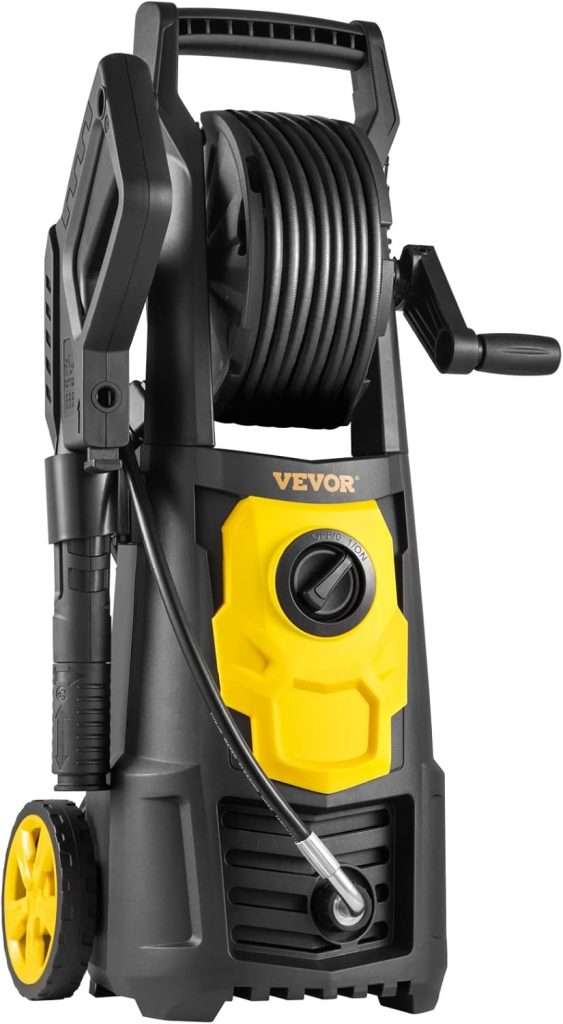
Water Tank vs Garden Hose: Which Setup Is Better?
A battery powered pressure washer with water tank support gives the most flexibility. It can be used in driveways, apartments, campsites, balconies, and outdoor areas where a hose is not nearby. A garden hose connection is better when you need continuous water flow and longer cleaning time.
| Cleaning Situation | Better Water Source | Reason |
| Car rinse in driveway | Garden hose or bucket | Hose gives longer use; bucket works for quick rinsing |
| Apartment balcony | Portable tank or bucket | No outdoor hose is usually available |
| Camping gear | Bucket or portable tank | Better for remote cleaning |
| Patio furniture | Bucket or hose | Depends on cleaning area size |
| Large patio or driveway | Garden hose | Needs more water volume and longer runtime |
How Much PSI Is Enough for Portable Cleaning?
Battery powered models usually have lower PSI than full-size electric or gas pressure washers. That does not make them useless. It means they are best for lighter cleaning jobs where convenience and control matter more than deep pressure.
- Light rinsing: useful for dust, loose dirt, and fresh mud
- Car cleaning: safer when used with a gentle nozzle and proper distance
- Outdoor furniture: effective for light dirt and seasonal cleanup
- Balcony cleaning: practical because setup is fast and compact
- Concrete stains: usually not strong enough for deep oil, algae, or embedded grime
For better spray control, compatible pressure washer nozzles and pressure washer hoses can improve reach and cleaning flexibility.
Best Uses for a Battery Powered Pressure Washer
A battery powered pressure washer works best when the cleaning job is small, mobile, and not heavily stained. Industry-standard usage logic says portable cleaning tools should be judged by convenience, setup speed, runtime, and surface safety, not by the same standards as commercial machines.
| Use Case | Fit Level | Reason |
| Car washing and rinsing | Strong fit | Portable, controlled, and easy to set up |
| Patio furniture | Strong fit | Good for dust, pollen, and light dirt |
| Balcony cleaning | Strong fit | Useful without a fixed hose or outlet |
| Bike or outdoor gear | Strong fit | Fast cleanup after mud or travel |
| Deck touch-ups | Moderate fit | Good for light dirt, not deep restoration |
| Driveway stain removal | Weak fit | Usually needs stronger PSI and GPM |
When Not to Choose a Battery Pressure Washer
A cordless washer is not the right tool for every job. If the cleaning task involves heavy concrete stains, thick algae, commercial equipment, large driveways, or long cleaning sessions, a stronger corded or gas pressure washer is usually better.
You should avoid choosing a battery model only because it looks convenient. Match the tool to the hardest regular task. If portability is the main need, battery power is valuable. If deep cleaning power is the main need, a larger machine is the better investment.
Important Buying Factors
- Battery runtime and whether spare batteries are available
- Water source options, including bucket, tank, and garden hose support
- Nozzle types for gentle rinsing and stronger spot cleaning
- Weight and handle comfort for mobile use
- Hose length and filter quality to protect the pump
- Storage size for apartments, garages, and vehicles
Before purchasing, review compatible pressure washer accessories and portable cleaning products in the shop so the washer can match your actual cleaning routine.
Final Verdict
A battery powered pressure washer is the best choice when portability, easy setup, and quick light cleaning matter more than maximum pressure. It is ideal for cars, balconies, camping gear, outdoor furniture, bicycles, and small patio cleanup.
Choose a corded electric or gas pressure washer if you need stronger cleaning for driveways, heavy buildup, or long washing sessions. For portable residential cleaning, a battery powered pressure washer is a smart and practical tool when expectations are set correctly.
FAQs
Yes, they are worth it for portable cleaning, car rinsing, balcony cleanup, outdoor gear, and light home maintenance. They are not ideal for heavy concrete stains or commercial cleaning.
Not always. Some can connect to a garden hose, while others can pull water from a bucket or portable tank. Tank support is useful when no faucet is nearby.
Yes, it can be good for cars when used with a gentle nozzle, safe distance, and proper detergent. It is best for rinsing dust, mud, and light dirt.
For light cleaning, lower PSI can still work if the nozzle and water flow are appropriate. Heavy stains and concrete usually need stronger equipment.
The main benefit is portability. You can clean areas without a nearby outlet, fuel, or fixed water setup.
It can rinse light dirt, but it is usually not strong enough for deep driveway stains, oil, or embedded grime.
